Synchronizing Live Dealer Capabilities with Deadline-Based Bonus Activations Across Mobile Gaming Ecosystems
Written by Klara Zimmermann · Oct 6, 2026
Synchronizing Live Dealer Capabilities with Deadline-Based Bonus Activations Across Mobile Gaming Ecosystems
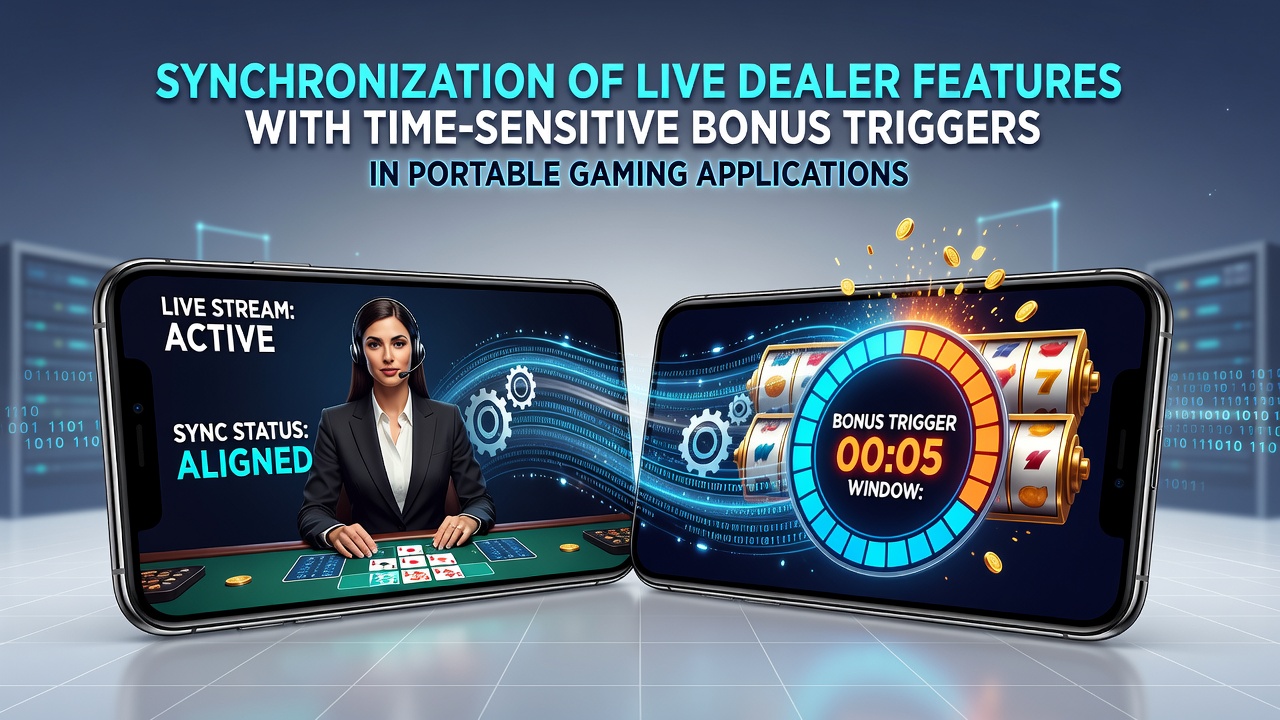
Developers in the portable gaming sector have integrated live dealer streams with time-bound promotional mechanisms to create seamless player experiences, and this integration relies on precise timing protocols that align video feeds, chat functions, and bonus expiration windows within single application sessions. Research from the University of Nevada Reno indicates that such systems process real-time data packets to trigger visual and audio cues the moment a bonus window opens or closes, which reduces latency issues that previously disrupted mobile sessions.
Core Technical Components Driving the Integration
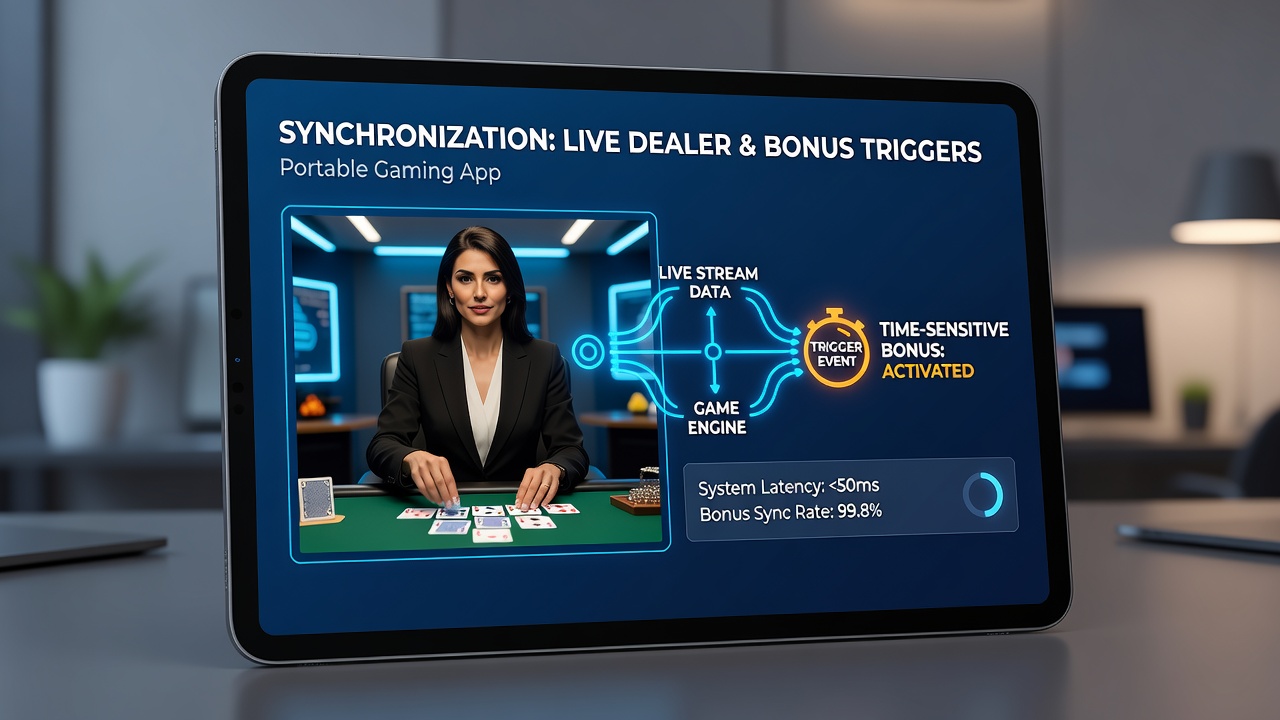
Live dealer features in mobile applications transmit continuous video and audio data from studio environments to user devices, while time-sensitive bonus triggers operate through backend servers that monitor user activity against predefined time limits; synchronization occurs when these two data streams merge through application programming interfaces that push updates simultaneously to the front-end display. Observers note that platforms achieve this by employing websocket connections that maintain persistent links between the device and the server, allowing bonus countdown timers to overlay directly onto the dealer video without requiring separate page loads or app refreshes.
One development team at a major software provider implemented timestamp synchronization protocols that match server clocks with device local times to within milliseconds, which ensures that a bonus activation appears the instant the dealer announces a qualifying game round. Data from the New Jersey Division of Gaming Enforcement shows mobile applications using these methods recorded average session extensions of several minutes during October 2026 testing periods, as players responded to on-screen prompts tied directly to live events.
Regulatory and Operational Considerations in Multiple Jurisdictions
Regulators in various regions require that bonus terms remain transparent when synchronized with live elements, and operators must log exact trigger moments to demonstrate compliance with fairness standards. The Alcohol and Gaming Commission of Ontario has documented cases where synchronized systems helped operators provide verifiable records of bonus availability windows, which align with player log files and dealer session timestamps. Meanwhile, industry reports from the European Gaming and Betting Association highlight how such integrations support cross-border operations by standardizing data formats that different licensing bodies can audit independently.
Technical challenges arise when network conditions vary across regions, yet developers address these through adaptive bitrate streaming that prioritizes bonus trigger packets over full video resolution during periods of reduced connectivity. Researchers at institutions tracking portable gaming trends have found that applications employing these adjustments maintain trigger accuracy rates above 98 percent even on variable 4G and 5G networks, according to aggregated performance metrics shared at industry conferences in 2026.
Implementation Patterns Observed Across Applications
Applications often embed bonus logic within the same rendering engine that displays live dealer video, which allows elements such as progress bars or activation buttons to respond instantly when a trigger condition meets the time criteria. Take one case where a platform updated its architecture to use unified event buses that broadcast both dealer actions and bonus states through a single channel, and this reduced desynchronization incidents that had previously required manual player interventions. Those who have examined mobile gaming telemetry note that the approach also supports push notification fallbacks when background processes detect an approaching deadline, thereby extending engagement opportunities without interrupting the primary live stream.
Additional layers include geolocation checks that activate region-specific bonuses during live sessions, and these checks integrate with the same timing framework to prevent mismatches between player location and available offers. Figures from Canadian regulatory filings reveal that operators adopting unified synchronization frameworks reported fewer compliance queries related to bonus timing disputes during the latter half of 2026, as automated logs provided clear audit trails for each trigger event.
Future Developments and Industry Tracking
Continued advancements in edge computing allow more processing to occur closer to the user device, which further tightens the alignment between live dealer events and bonus mechanics by minimizing round-trip data delays. Analysts following portable gaming trends expect expanded use of machine learning models that predict optimal trigger moments based on historical session patterns, while maintaining strict separation between promotional logic and game outcome determination to satisfy regulatory requirements across jurisdictions.
Conclusion
The synchronization of live dealer features with time-sensitive bonus triggers in portable gaming applications rests on coordinated data protocols, regulatory logging practices, and adaptive network handling that together produce consistent outcomes for users and operators alike. Evidence from multiple oversight bodies and academic sources demonstrates measurable improvements in session continuity and compliance documentation as these systems mature through 2026 and beyond.